
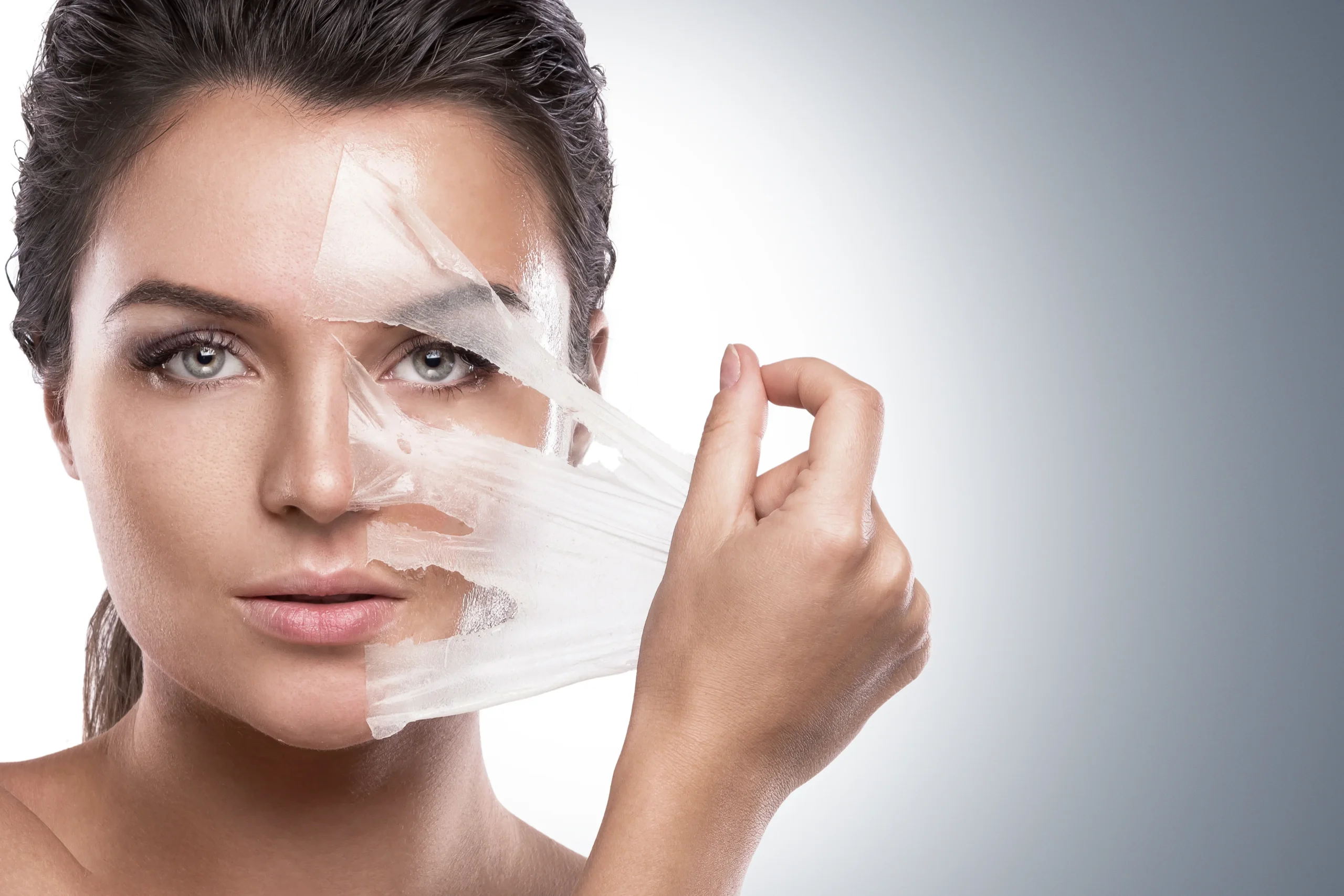
The healing timeline for a chemical peel depends entirely on how deep you go. A light lunchtime peel might have you back to normal in a day or two, while a deep peel can mean weeks of recovery. Understanding what to expect makes the process far less intimidating and helps you plan accordingly.
Light peels, sometimes called superficial peels, are the gentlest option. These use mild acids, such as glycolic or lactic acid, to refresh your skin’s outermost layer. You might notice some redness and light flaking for about three to five days, similar to a mild sunburn that’s peeling. Most people apply makeup the next day and go about their regular routine without anyone noticing they’ve had work done. Your skin might feel slightly tight or dry, but nothing that a good moisturizer can’t handle.
Medium peels go deeper into your skin and typically use trichloroacetic acid. The recovery here is more involved. Expect your skin to look noticeably red and swollen for the first couple of days, almost like a moderate sunburn. Around day three or four, the peeling starts in earnest. We’re talking visible flaking and shedding that lasts about a week. By day seven to ten, most people see significant improvement, though some pinkness can linger for several weeks. You’ll want to plan for downtime with this one, especially if you have work meetings or social events.
Deep peels are the most intensive and use phenol or high-concentration TCA. These penetrate multiple skin layers and deliver dramatic results, but the tradeoff is substantial healing time. Your face will be bandaged initially, and during the first week, you may experience significant swelling, oozing, and crusting. New skin starts to emerge around ten to fourteen days, but it remains quite pink and sensitive for weeks afterward. Full healing often takes two to three months, and your skin may remain lighter than its original tone permanently. Deep peels aren’t something you do casually before a big event.
Several factors influence how quickly your specific skin heals. Age plays a role since younger skin generally bounces back faster. Your overall health matters too. Smokers heal more slowly, as do people with certain medical conditions. Even your skincare routine beforehand can impact recovery. People who’ve been using retinoids or have well-maintained skin often heal more predictably.
Following aftercare instructions religiously makes an enormous difference. Keeping your skin moisturized, avoiding sun exposure, and resisting the urge to pick at peeling skin all speed up healing and improve your final results. That last point deserves emphasis because picking can lead to scarring or uneven pigmentation, which defeats the purpose of getting a peel.
Sun protection becomes absolutely critical during healing and for months afterward. Your new skin is incredibly vulnerable to UV damage, which can cause hyperpigmentation that’s harder to treat than the initial issue that brought you in for a peel. Think broad-spectrum SPF 30 minimum, reapplied throughout the day, even if you’re mostly indoors.
The question isn’t just how long healing takes but whether you’re prepared for that timeline. Your provider should walk you through realistic expectations based on the specific peel they’re recommending, your individual skin, and your schedule. When in doubt, ask to see before-and-after photos that show the healing stages, not just the gorgeous final results.
So are you ready to refresh your skin? Schedule a consultation with Purifi IV Nashville to find your perfect peel.